How to Choose and Fit Bay Window Blinds Around Handles and Openings
Bay windows are a standout feature in many homes, offering extra light, space, and character. But when it comes to fitting blinds, their angled walls and varying window openings can present real challenges. Handles that protrude into the recess, uneven depths, and awkward corners all need careful thought. The good news is that a well-chosen blind can work perfectly around these obstacles. This article walks through the practical steps to get that fit right, from measuring to final installation.
Step 1: Assess the Window Recess and Handle Positions
Start by looking closely at your bay window. Each window in the bay is typically set into a recess, and the depth of that recess can vary between windows. Measure the depth at several points across each opening. If the recess is shallow, a blind mounted inside it might clash with the window handle when the blind is lowered. In that case, an outside mount - where the blind sits on the wall or frame above the recess - can give the handle enough clearance.
Check the position of the handles too. Side-opening casement windows often have handles that stick out several centimetres. If you plan to fit blinds inside the recess, you need to know whether the blind will rest against the handle when closed. For top-hung or tilt-and-turn windows, the handle might sit at the bottom, which changes how you approach the fit.
What to watch for
- Recess depth: less than 7 cm can be tight for standard cassette blinds.
- Handle projection: measure from the glass to the furthest point of the handle.
- Window type: side-hung, top-hung, or tilt-and-turn each affect blind clearance.
Step 2: Choose the Right Blind Type for the Bay
Not every blind style works well in a bay window. Roller blinds are popular because they roll up tightly and sit close to the glass, reducing the chance of hitting handles. But if the bay has deep recesses, a roller blind mounted inside can still catch a handle when fully lowered. A practical fix is to use a roller blind with a chain or cord that runs on the opposite side to the handle.
Vertical blinds are another option, especially for larger bay windows or patio doors within the bay. Their slats rotate to control light while the headrail stays fixed. Because the slats hang down, they naturally clear most handles - but the headrail itself needs enough depth to sit behind the handle when mounted inside the recess.
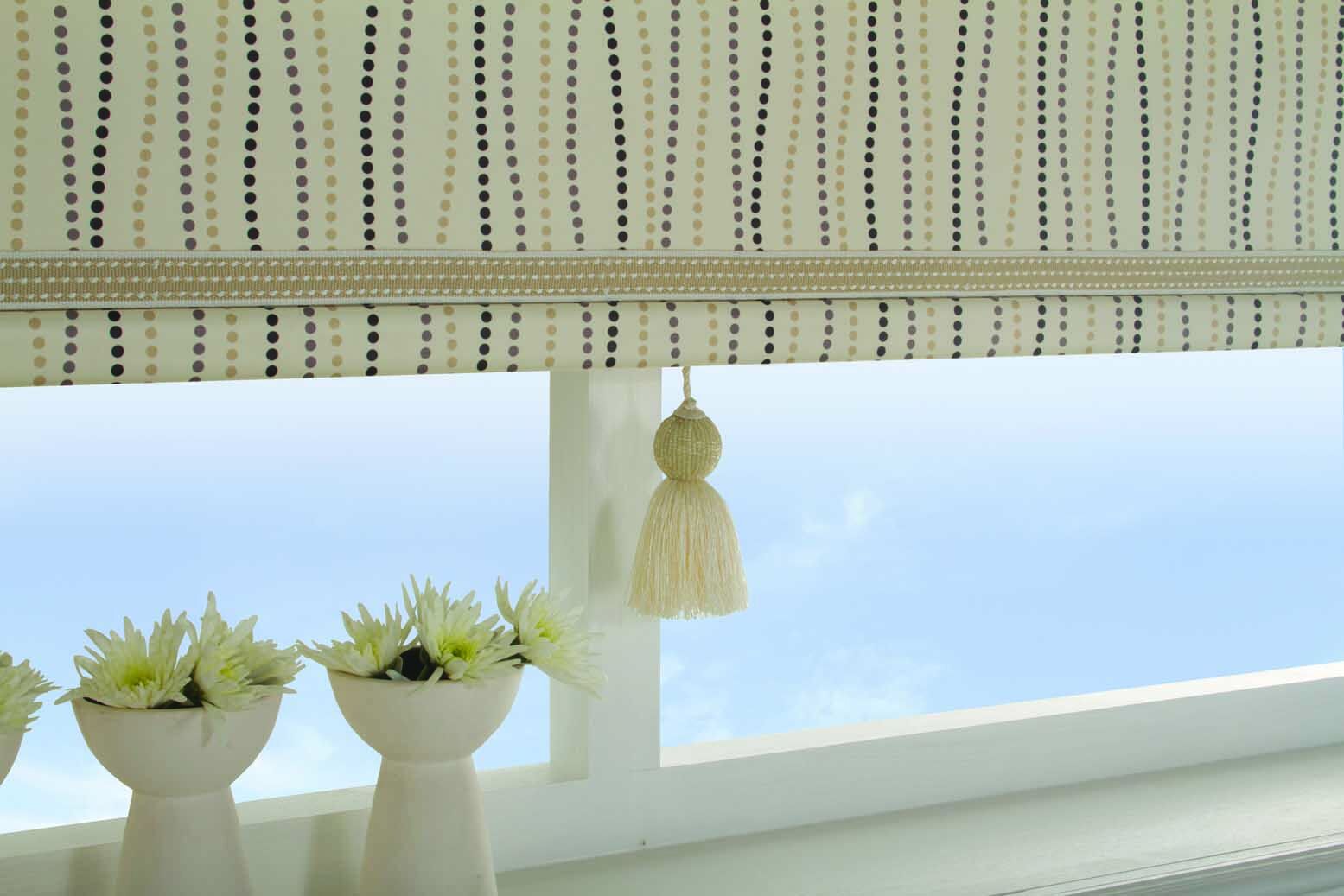
Roman blinds fold into neat horizontal pleats when raised. They look elegant but take up more depth than rollers when stacked. If the bay has shallow recesses or handles near the top, a roman blind might push against the handle or sit awkwardly. A face-fit (outside mount) can solve this, but it changes the look of the bay.
Pleated blinds are a good middle ground. They sit within the recess and can be cut to fit unusual shapes, such as angled tops or sloping sides. Their compact stack means they interfere less with handles.
Step 3: Measure Carefully for Each Window
Bay windows are rarely perfectly square. Measure each window individually, even if they look identical. For an inside mount, take the width at the top, middle, and bottom of the recess, then use the narrowest measurement. For the drop, measure from the top of the recess down to the sill at both sides and the centre. Use the shortest drop so the blind clears the sill when lowered.
For an outside mount, measure the full width of the window opening plus enough extra on each side to cover the frame. Typically, add 5-10 cm on each side for good light control and privacy. The drop should extend below the sill by a few centimetres to stop light leaking at the bottom.
Handle clearance is critical here. Lower the window handle fully and measure the distance from the glass to the handle's outermost point. Compare that with the depth of the blind cassette or headrail. If the blind needs more depth than the recess provides, go for an outside mount or a blind with a slim cassette.
Step 4: Fit the Blinds One Window at a Time
Start with the centre window of the bay, as it is often the largest and the most visible. Install the brackets according to the manufacturer's instructions, making sure they are level. Use a spirit level across the brackets before you fix them permanently. A slight tilt will be obvious once the blind is hung.
For angled walls in a bay, brackets may need to be mounted at an angle. Some blind systems include universal brackets that can be rotated to follow the wall's slope. Others require specific left or right brackets. Check this before you start drilling.
When fitting the blind, lower it fully to check clearance around the handle. If the blind touches the handle, you can sometimes adjust the bracket position slightly - moving it forward or sideways - to create a gap. If that does not work, a spacer bracket can push the blind further into the room, away from the handle. For outside mounts, the blind sits above the recess entirely, so handle clearance is rarely a problem.

At this stage, you might recognise that getting the fit right takes patience. Many homeowners prefer to have the work done by professionals who know how to handle the quirks of bay windows. For those in Derbyshire, Peak Blinds - Hand Fitted Blinds - Derbyshire offers made-to-measure solutions that account for handle positions and recess variations during installation. Their experience with local property types means they can anticipate these issues before they arise.
Step 5: Adjust for Patio Doors and French Doors in the Bay
If your bay window includes a patio door or French door, the approach changes. These doors often have large glass panels and handles that sit at waist height. A vertical blind works well here because the slats can be drawn aside completely, leaving the door handle unobstructed. Roller blinds can also work if mounted above the door frame, but they must be long enough to cover the full drop without sagging.
For French doors that open inward, the blind must not block the swing. An outside mount above the door frame, with the blind stored completely out of the way when not in use, is the safest choice. If the doors open outward, an inside mount can work, but check that the handle does not press into the blind fabric when the door is closed.
Step 6: Address Angled Walls and Unusual Openings
Bay windows often have angled returns at the sides. These short, narrow windows can be tricky because standard blinds may not fit the taper. One option is to use a made-to-measure blind cut to the exact angle. Another is a pleated or cellular blind that can be trimmed on site to follow the slope.
For roof windows set into a bay, such as in a dormer, the blind needs to follow the slope of the glass. Tensioned roller blinds or pleated blinds designed for roof windows can handle this. They require brackets that attach to the frame, not the glass, and must be tensioned to stay in place as the window moves.
Throughout this process, remember that each bay is unique. The key is to measure, choose the right blind style, and test the fit before making permanent fixings. If you are unsure, a professional installation saves time and avoids mistakes. Peak Blinds - Hand Fitted Blinds - Derbyshire has the tools and knowledge to handle complex bay window setups, ensuring that handles, openings, and angles are all accounted for.
Step 7: Final Checks and Adjustments
Once all blinds are installed, operate each one several times. Raise and lower them fully, and open and close the windows to confirm there is no interference. Check that the blinds do not rub against the handle or the window frame when in use. If you notice a slight rub, a small bracket shim or a repositioning of the blind can often fix it.
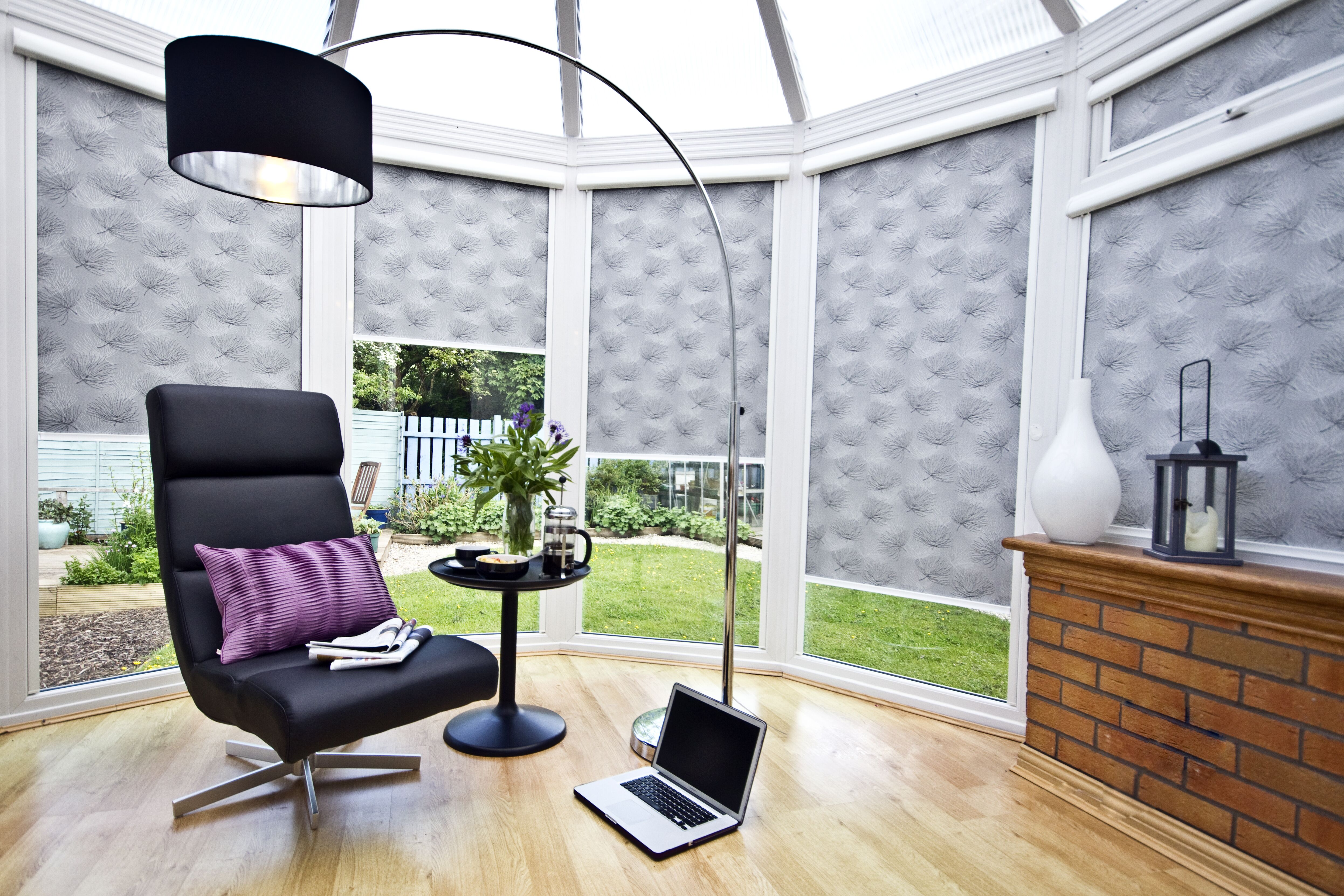
Look for light gaps around the edges. A well-fitted blind should block most light from the sides. If gaps appear, consider adding a pelmet or a side channel to cover them. For roller blinds, a cassette that encloses the fabric can also reduce light leakage.
Finally, clean the blinds gently with a soft cloth or duster to remove any dust from installation. Avoid using harsh chemicals on the fabric or mechanism.
Getting bay window blinds to work around handles and openings is all about preparation. Take your time with the measurements, choose a blind style that suits the space, and do not be afraid to ask for help if the angles get complicated. The result is a neat, functional window treatment that makes the most of your bay.